


Founded in 1677, East Greenwich, Rhode Island is older than 99.5% of towns in America. It sits at the geographic center of the state and is situated on one of the nation’s first byways (Route 1). From this position, the town witnessed the unfolding of American history – from colonization and maritime trade to the Revolutionary War and industrialization.
Homeland of the Coweset People
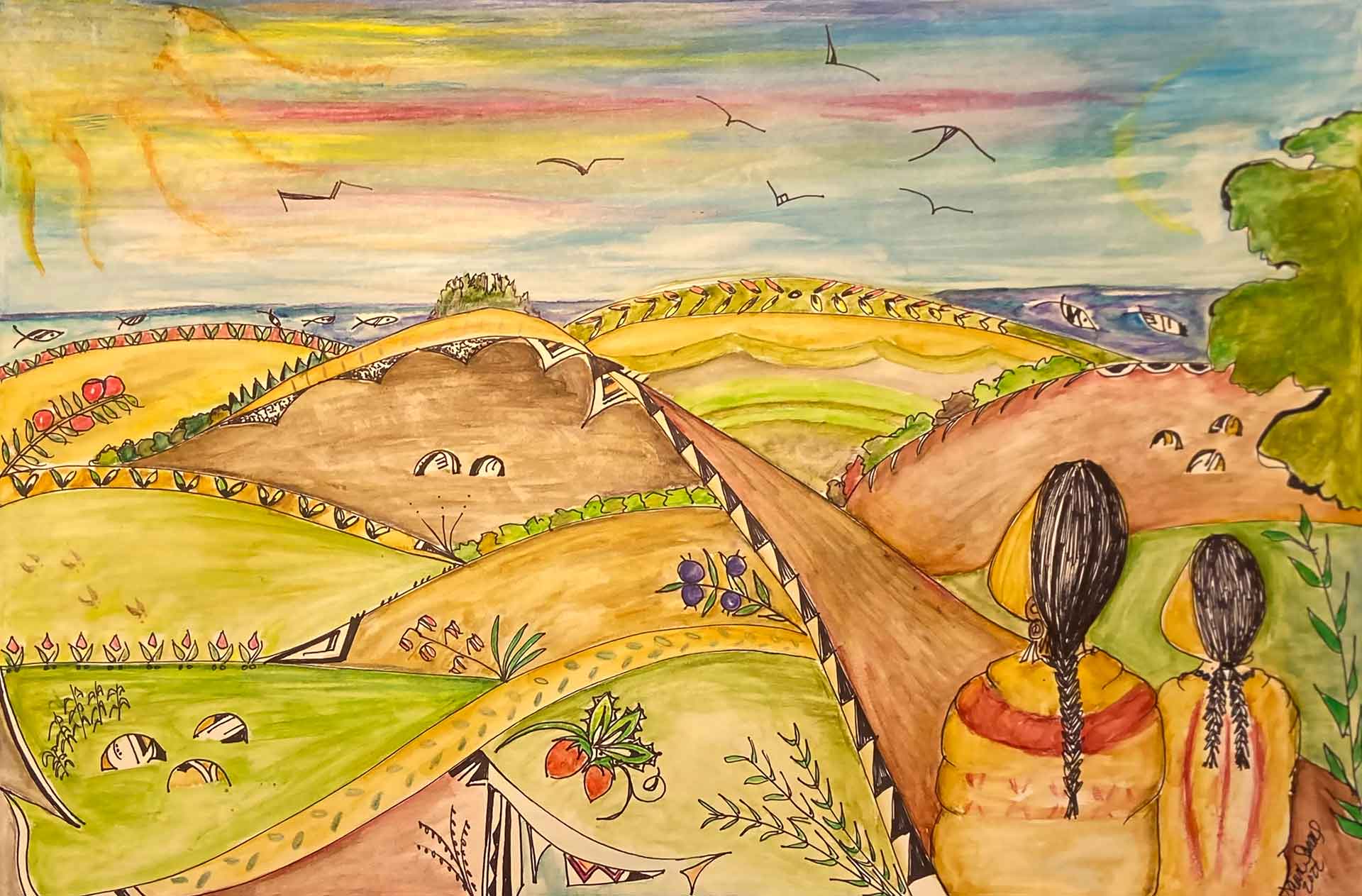
Indigenous people occupied the area of present-day East Greenwich for over 8,000 years. They were a subtribe of the Narragansett nation called the Cowesets, and they had a substantial village where Cedar Avenue meets Post Road. It was located on the Native people’s major trade route: a 69-mile foot trail called the Pequot Path. Today’s Main Street follows its course. In the area surrounding the village, the Cowesets cultivated the land.
The Oldest Master-Planned Township in America
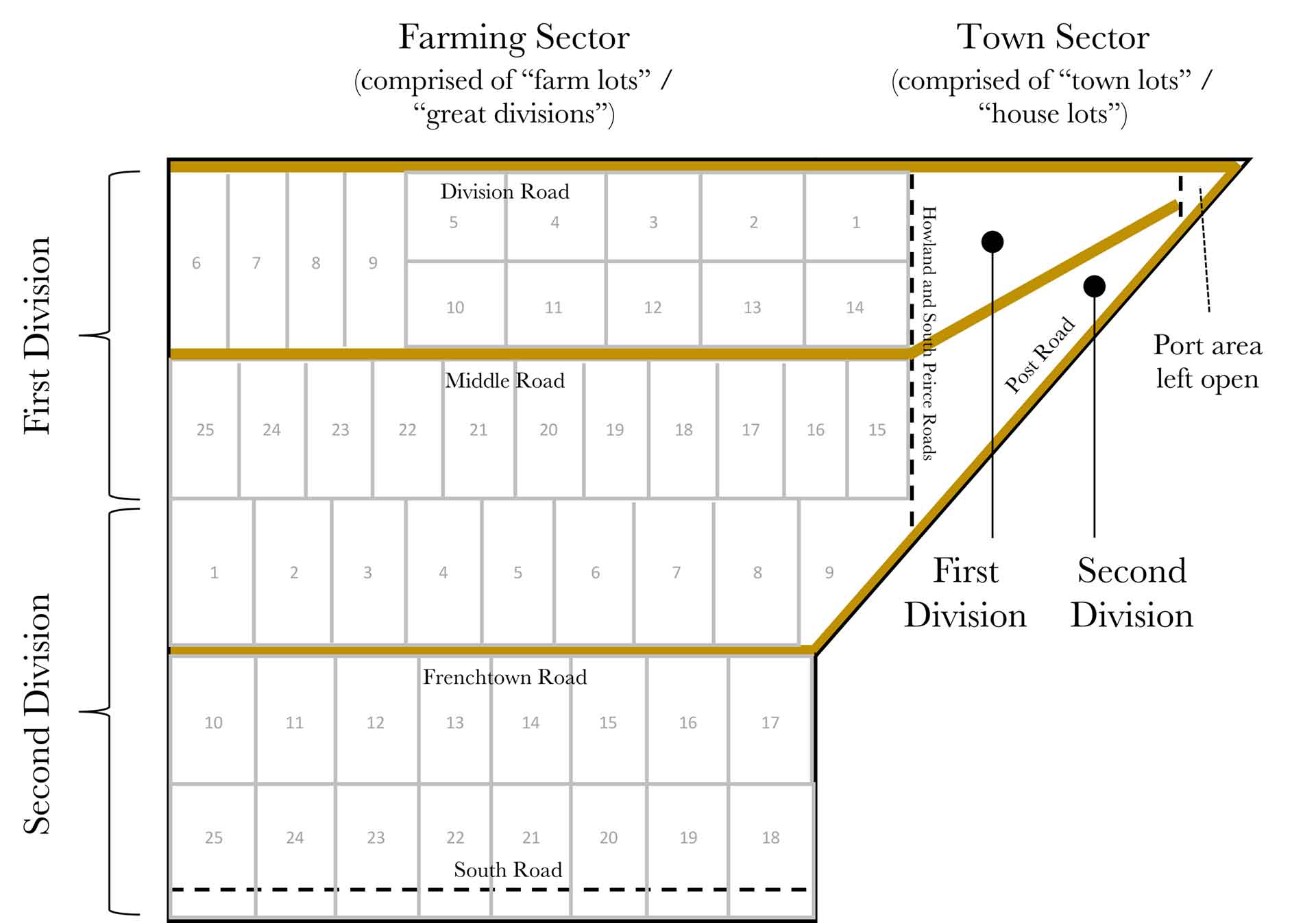
After English colonists arrived and established Rhode Island, a brutal conflict with the Native people known as King Philip’s War left the central part of the colony essentially vacant. In order to settle part of the territory, Rhode Island’s ruling council created East Greenwich on October 31, 1677. The new municipality—the colony’s eighth—was named for an area east of London where the British monarchy had a country manor. Prior to occupation, the first settlers laid out a comprehensive design for the area, creating what is America’s oldest master-planned township in its original incorporated form.
A Seaport Engaged in the Triangle Trade
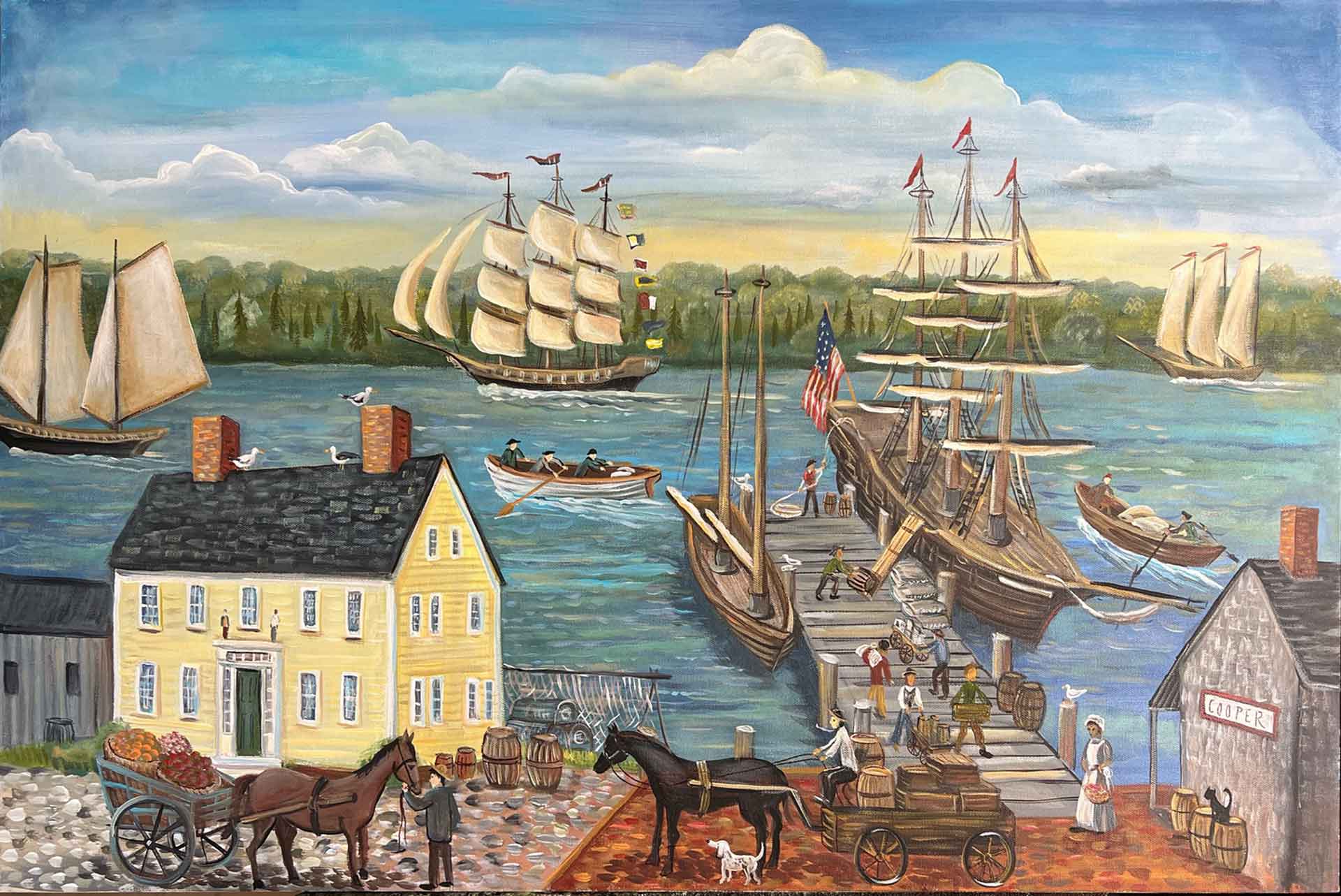
By the beginning of the 18th century, the townspeople were exporting their farm products to places as far away as South America. Some mariners engaged in the infamous “Triangle Trade.” They brought rum to the west coast of Africa where they bartered for captives and then transported them to the Caribbean in exchange for sugar and molasses. In support of the maritime economy, a harbor district was established. It featured a shipyard and a ropewalk (a long building for the manufacture of rope), and sea captains took up residence on King Street.
A Hotbed for the Cause of Liberty
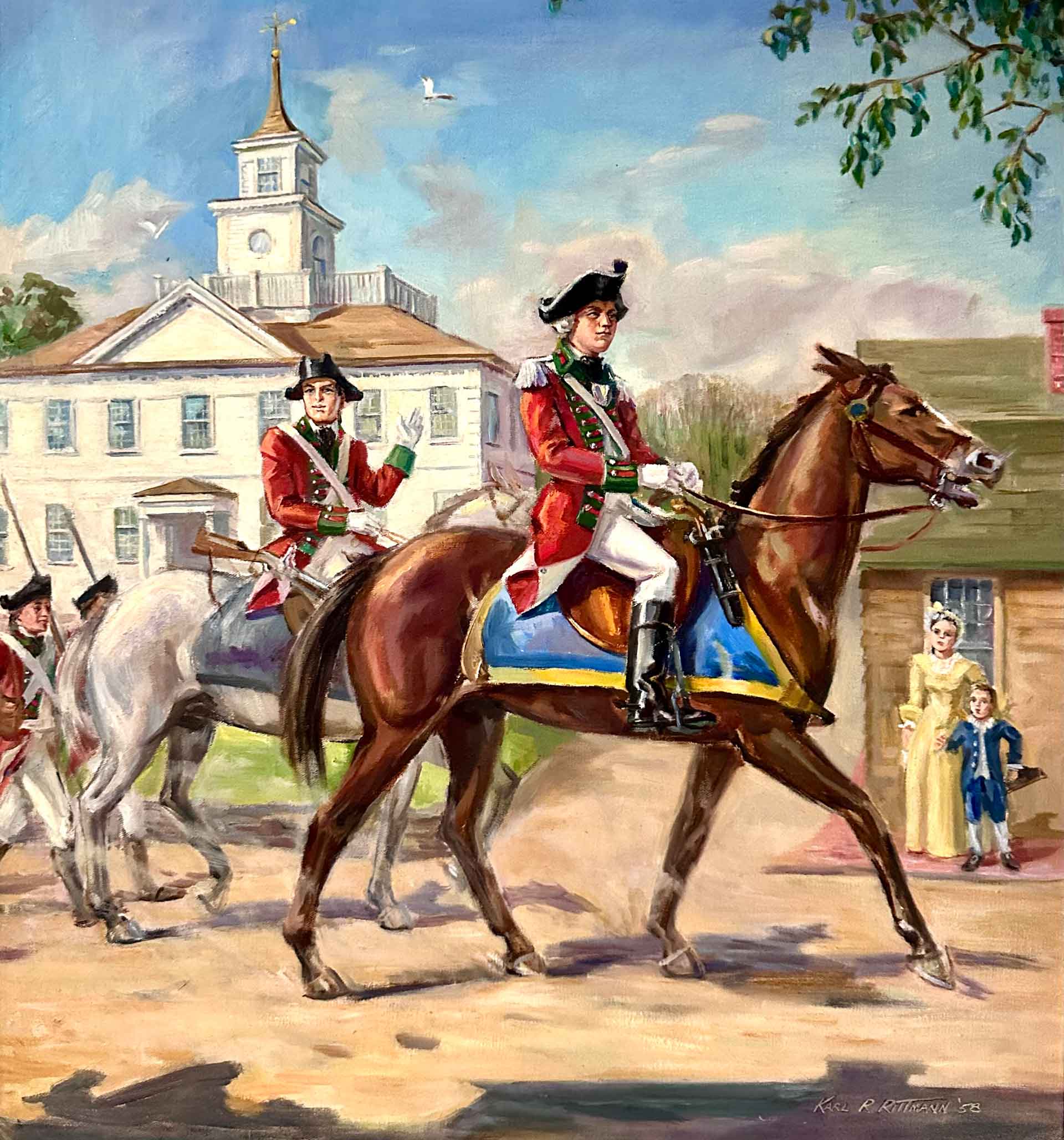
When the British Parliament began enforcing taxes on the colonies, the regional movement for independence surged among the townspeople. During the Revolutionary War, virtually everyone mobilized, and a fort was constructed on the Cove. The local militia company—the Kentish Guards—made outsized contributions to the war effort, providing two top commanders to the Continental Army: Generals Nathanael Greene and James Varnum. The town also gave birth to the nation’s first segregated fighting unit – what was known as the “Black Regiment.”
A Pioneer in Steam-Powered Manufacturing
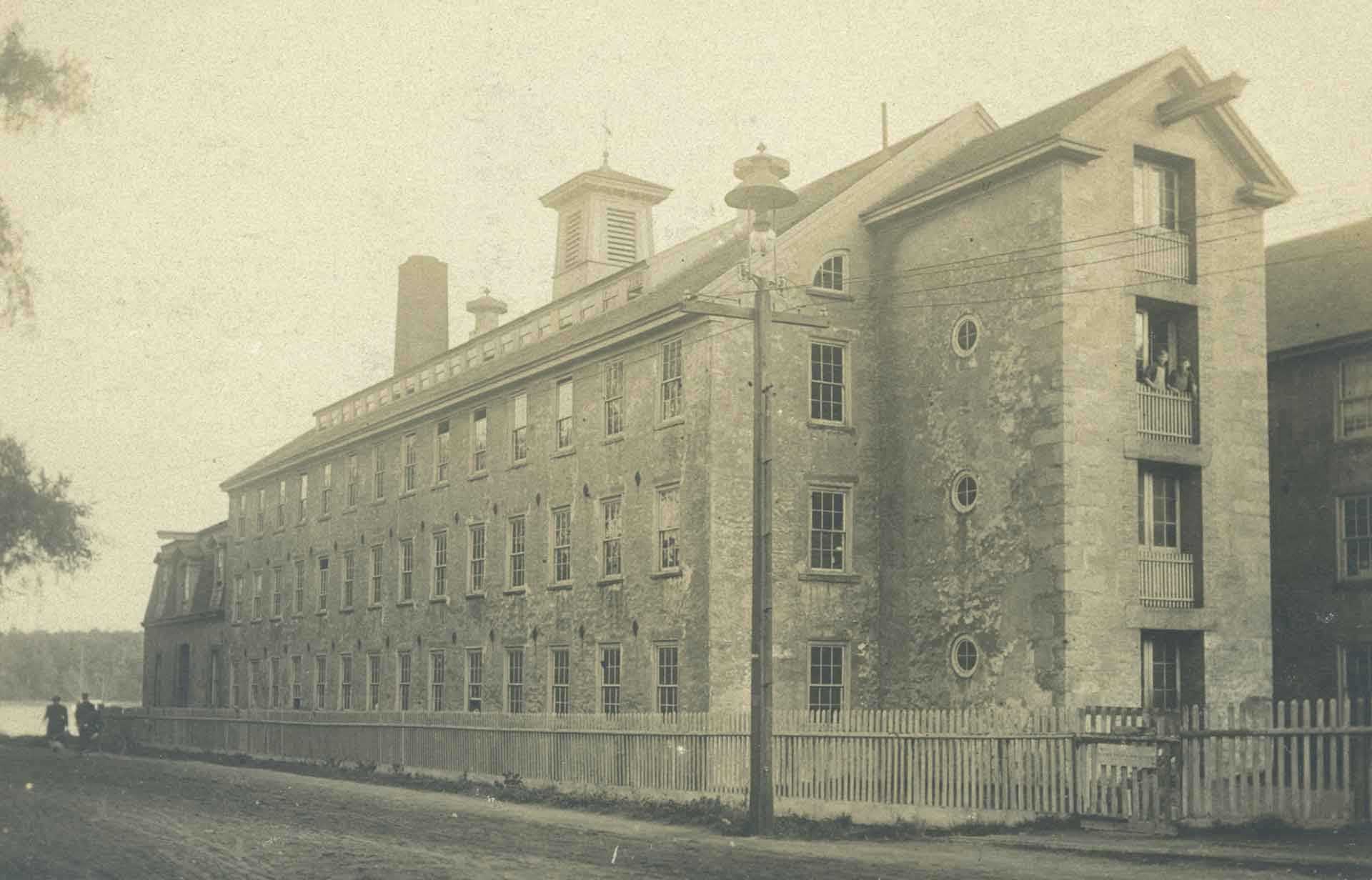
At the turn of the 19th century, Rhode Island spawned the Industrial Revolution, and the town was swept up in the transformation. Along the waterfront, a group of residents built one of the nation’s first steam-powered factories, and soon, multiple fabric mills occupied the village. Emblematic of industrial society, an economic schism emerged. The wealth concentrated on the hill above Main Street, where a private college-prep academy made its home. Meanwhile, workers resided in the harbor district, and a section called Scalloptown became infamous for its poor conditions and rough characters.
A One-Time Navy Town
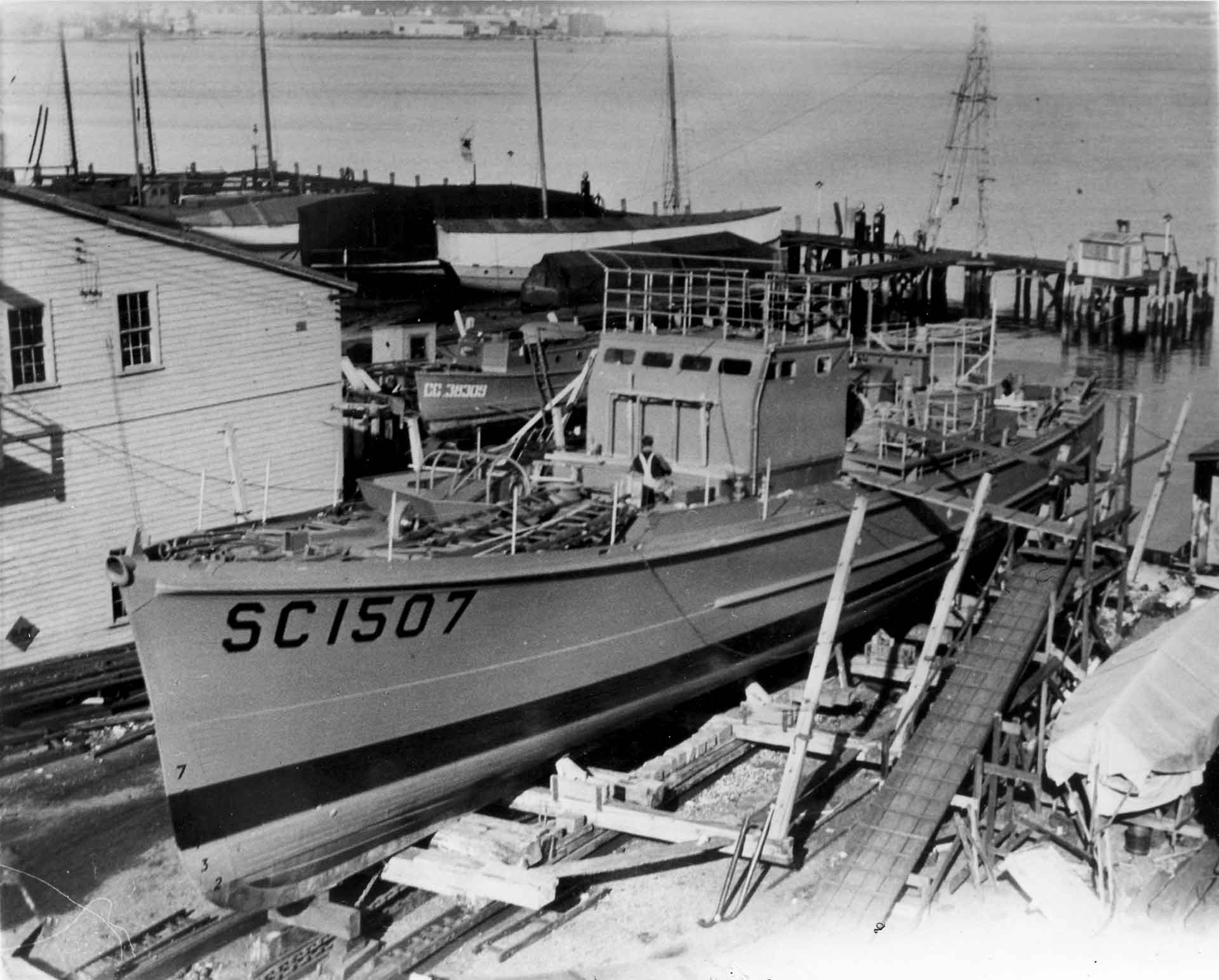
In the leadup to World War II, the construction of three Navy bases at nearby Quonset upended the town. Throngs of naval officers and civilian workers lived in East Greenwich, and a satellite training installation was established in the southwest part of town (the present-day Camp Fogarty, home of the Rhode Island National Guard). There, over 100,000 sailors trained for combat. After the war, young veterans and their spouses sought East Greenwich for its pastoral charms. New subdivisions arose to accommodate them. That pattern of suburbanization accelerated following the construction of I-95.